Best Time for Krishna Janmashtami 2026: Date, Shubh Muhurat, Puja Vidhi
Krishna Janmashtami, also known as Gokulashtami, is one of the most vibrant and revered Hindu festivals celebrated across the globe. Marking the birth of Lord Krishna—the eighth avatar of Lord Vishnu—this festival brings immense joy, spiritual devotion, and cultural grandeur.
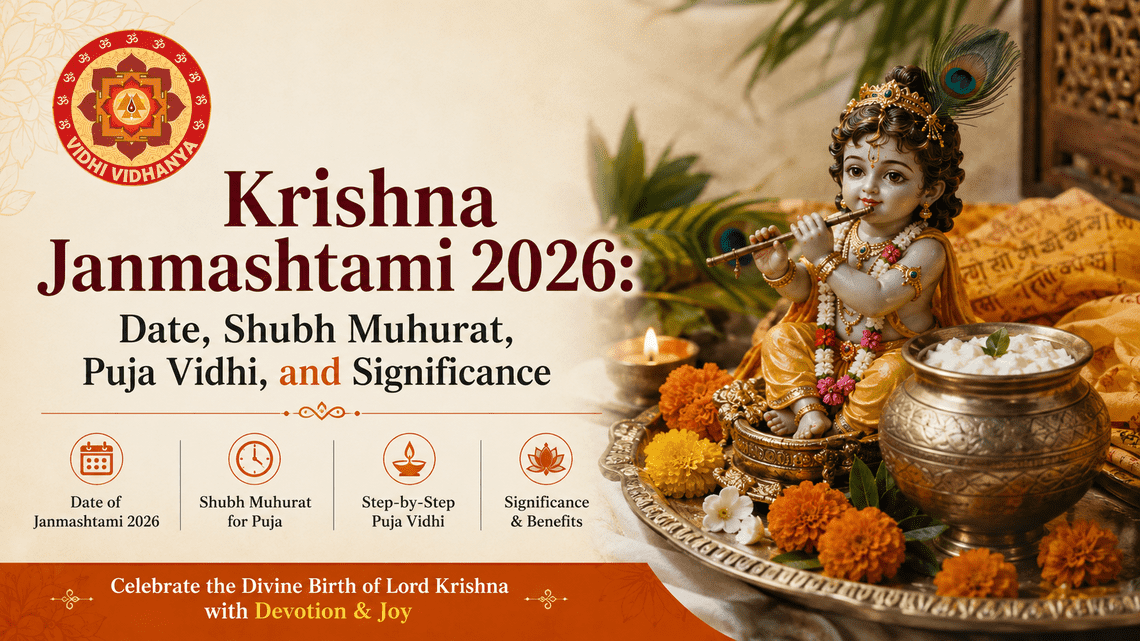
If you are planning your rituals, fasting schedules, and home celebrations, here is your complete guide to the Krishna Janmashtami 2026 date, Janmashtami 2026 shubh muhurat, step-by-step Janmashtami puja vidhi, and the deep cultural significance behind this divine occasion.
When is Krishna Janmashtami 2026? Date and Time
According to the traditional Hindu lunar calendar, Lord Krishna was born during the Nishita Kaal (midnight) on the Ashtami Tithi (eighth day) of the Krishna Paksha (dark fortnight) in the month of Bhadrapada, under the Rohini Nakshatra.
For devotees looking for the exact Gokulashtami 2026 date and time, the festival falls in early September.
| Event Details | Dates & Timings |
| Krishna Janmashtami 2026 Date | Thursday, September 3 / Friday, September 4, 2026 |
| Ashtami Tithi Begins | September 3, 2026 – 08:15 PM |
| Ashtami Tithi Ends | September 4, 2026 – 06:40 PM |
| Janmashtami 2026 Shubh Muhurat (Nishita Kaal) | 11:57 PM (Sep 3) to 12:43 AM (Sep 4) |
| Total Muhurat Duration | 46 Minutes |
| Rohini Nakshatra Begins | September 4, 2026 – 09:20 AM |
| Parana Time (Fast Breaking) | After 06:40 PM, September 4, 2026 |
Note: Smart fasting routines observe the fast throughout September 3 night, breaking it on September 4 after the Ashtami Tithi concludes.
The Deep Significance of Krishna Janmashtami
Understanding the significance of Krishna Janmashtami goes far beyond historic storytelling. Lord Krishna was born in Mathura in a dungeon where his parents, Devaki and Vasudeva, were imprisoned by the tyrannical King Kamsa. Despite Kamsa’s ruthless attempts to eliminate his sister’s eighth child, Vasudeva miraculously carried the newborn Krishna across the raging Yamuna River to Gokul, where he was raised by his foster parents, Nanda and Yashoda.
Core Spiritual Lessons of Lord Krishna’s Birth:
- Triumph of Good Over Evil: Lord Krishna’s incarnation was destined to end the reign of cruelty and adharma personified by King Kamsa.
- The Message of the Bhagavad Gita: Lord Krishna taught humanity the path of Karma Yoga—performing one’s duty selflessly without attachment to results (“Karmanye Vadhikaraste Ma Phaleshu Kadachana”).
- Unconditional Devotion (Bhakti): The divine plays (Leelas) of young Bal Gopal teach love, playfulness, and complete surrender to the divine will.
Essential Janmashtami Puja Samagri (Materials Checklist)
Before commencing the Janmashtami puja vidhi, keep these sacred items prepared:
- For Bal Gopal: An idol of Laddu Gopal, a decorated swing (Jhula), and new silk clothes (Vastra).
- For Abhishekam: Milk, curd, honey, desi ghee, sugar powder (together forming Panchamrit), along with Gangajal and rose water.
- For Offering: Fresh tulsi leaves, lotus flowers, yellow flowers, chandan (sandalwood paste), kumkum, and akshat (unbroken rice grains).
- For Bhog: Makhan (white butter), mishri (rock sugar), panjiri (coriander powder bhog), fruits, and sweets.
- General Ritual Items: Brass lamp (Diya), incense sticks (Agarbatti), camphor (Kapur), bell, and a puja thali.
Step-by-Step Janmashtami Puja Vidhi at Home
To receive the blessings of Lord Krishna, follow this detailed and traditional Janmashtami puja vidhi during the midnight Nishita Kaal:
Step 1: Preparation and Cleaning
Clean your home shrine thoroughly. Adorn the entrance with rangoli, mango leaves, and fresh flower garlands. Place a small swing (Jhula) inside the puja room and cushion it with soft silk fabric.
Step 2: S संकल्प (Sankalp) and Fasting
In the morning after taking a bath, take a vow (Sankalp) to keep a clean fast (Vrat) dedicated to Lord Krishna, refraining from grains until the designated Parana time.
Step 3: Divine Abhishekam (Holy Bath)
At midnight (during the Janmashtami 2026 shubh muhurat):
- Gently place the Laddu Gopal idol in a decorative plate (Thali).
- Perform the Panchamrit Abhishekam by pouring milk, curd, ghee, honey, and sugar water over the idol while chanting “Om Namo Bhagavate Vasudevaya”.
- Rinse the idol with pure Gangajal and gently dry it using a soft, clean cloth.
Step 4: Dressing and Decoration
Dress Bal Gopal in vibrant yellow or peacock-colored attire. Apply a fragrant sandalwood paste (Chandan tilak) on His forehead, place a peacock feather (Mor Pankh) on His crown, and adorn Him with small ornaments and a flute.
Step 5: Seating in the Jhula
Place the adorned deity on the swing. Rock the swing gently while ringing a small temple bell. Swinging Bal Gopal is considered a deeply merit-earning act of affection during Gokulashtami.
Step 6: Offering Bhog and Performing Aarti
Offer fresh home-spun white butter (Makhan), rock sugar (Mishri), and coriander Panjiri. Important: Always place fresh Tulsi leaves on top of the offerings, as Lord Krishna never accepts Bhog without Tulsi. Light the camphor ghee lamp and perform the Janmashtami Aarti, singing “Aarti Kunj Bihari Ki”.
Popular Traditions Associated with Gokulashtami
The spirit of Gokulashtami extends into several vibrant cultural practices across India and world communities:
- Dahi Handi: Primarily celebrated in Maharashtra, human pyramids are formed to break elevated clay pots filled with curd, butter, and coins, replicating young Krishna’s mischievous butter-stealing escapades (Makhan Chori).
- Fasting Routines: Devotees observe either Nirjala (waterless) fasts or Phalahar (fruit and milk-based) fasts throughout the day.
- Temple Celebrations: Major Krishna shrines like the Bankey Bihari Temple (Vrindavan), Dwarkadhish Temple (Mathura), and ISKCON temples worldwide conduct 24-hour kirtans and continuous flower decorations (Phool Bangla).
Important Do’s and Don’ts for Janmashtami Fasting
- Do use rock salt (Sendha Namak) if consuming fast-friendly meals (Phalahar).
- Do keep fresh Tulsi leaves ready beforehand, as plucking Tulsi leaves on the day of Janmashtami is traditionally discouraged.
- Don’t offer milk or bhog without thoroughly cleansing the preparation utensils.
- Don’t consume rice, wheat, pulses, onions, or garlic if observing the festival fast.
Bringing the Blessings Home
Celebrating Krishna Janmashtami 2026 with sincere devotion brings peace, happiness, and spiritual prosperity to your home. By aligning your prayers with the divine Janmashtami 2026 shubh muhurat and performing the Janmashtami puja vidhi with pure love, you welcome the divine grace of Lord Krishna into your life. Chanting His holy names and reflecting upon the timeless wisdom of the Bhagavad Gita remains the greatest offering on this auspicious day.